
The offside rule in football is one of the most important laws in the game. It determines whether an attacking player is allowed to be involved in a play based on their position relative to defenders when a pass is played. This rule prevents goal hanging and encourages teamwork and strategic movement. Understanding the offside rule helps players, fans, and coaches make sense of key moments in matches and reduces confusion during controversial calls.
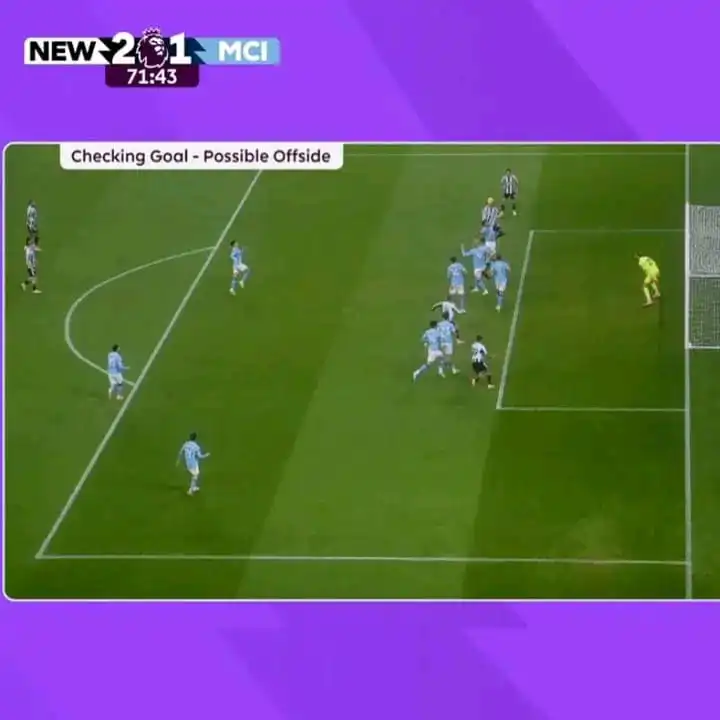
The offside rule states that a player is in an offside position when any part of their head, body, or feet that can score a goal is closer to the opponent’s goal line than both the ball and the second-last opponent at the moment the ball is played by a teammate. Being in an offside position alone is not an offence. A player is only penalised if they become actively involved in play, such as receiving the ball, interfering with an opponent, or gaining an advantage from that position. Hands and arms are not counted when judging offside position.
There aren’t separate “types” of offside rules, but the rule operates in different match situations:
You can be in an offside position without committing an offence unless you play the ball or impede an opponent.
If a player in an offside position plays a pass or touches the ball to score, they are penalised.
If your position influences a defender’s ability to play, such as blocking vision or movement, the referee may rule offside.
You cannot be offside from a goal kick, throw-in, or corner kick. These are special restarts where the offside rule does not apply.
For the 2025 and 2026 season, football authorities are discussing and trialling changes to make the offside rule more attacking-friendly. One proposed change evaluated in trials is that a player would only be offside if their entire body is ahead of the last defender when the ball is played. Under this interpretation, attackers would have more room and are less likely to be flagged offside by tiny margins such as a toe or shoulder.
Another adjustment in law wording states that when the goalkeeper throws the ball, the last point of contact with the ball should be used to judge offside, which aims for greater consistency in certain situations.
These changes are part of ongoing trials and refinements in the Laws of the Game and not universally adopted across all leagues yet.
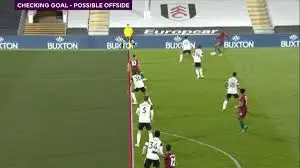
The International Football Association Board (IFAB) regularly reviews the Laws of the Game. For the 2025/26 season, key clarifications include how offside is measured when the goalkeeper throws the ball. There is also the ongoing discussion about the new interpretation where attackers might only be offside if their whole body is beyond the defender. This new concept is driven by attempts to reduce marginal offside decisions and encourage more attacking play.
In addition to offside adjustments, football rules are also updating how goalkeeper possession is handled and how other restarts are managed, reflecting modern game pace demands.
FIFA and IFAB define the offside law in Law 11 of the Laws of the Game, which establishes both position and offense criteria. FIFA emphasizes that being in an offside position is not a foul until the player engages in play at the moment the ball is touched or played by a teammate. The law also recognises that hands and arms are not counted in offside determinations
It is a common myth that the goalkeeper is always the last man in the offside rule. In truth, the offside is judged relative to the second-last opponent, and the goalkeeper usually fills that role because they are close to their goal. However, if the goalkeeper moves upfield, two defenders (any outfield players) must be between the attacker and the goal line for the attacker to be onside.
This means the goalkeeper does not carry special offside status; they are treated the same as any other defender.
The simplest way to think about offsides is this: when a teammate plays the ball, you must have at least two opponents between you and the goal line (including the goalkeeper) at that moment, and you must not be closer to the goal than the ball itself. If you are nearer than both, and you get involved in the play, you are offside. This explanation helps most fans quickly grasp the concept without technical wording.
Offside is a law that prevents attackers from gaining unfair advantage by being nearer to the opponent’s goal than all but one defender when the ball is passed to them. A player must be involved in active play to be penalised. Florida Youth Soccer Association
The new offside interpretation being discussed for 2025 and beyond proposes that an attacker will only be offside if their entire body is ahead of the last defender, reducing marginal calls. This change is part of trials and not yet universally mandatory.
You are offside if you have fewer than two opponents between you and the goal when the pass is played, and then you get involved in the play. It helps to think of it as needing at least two defenders closer to goal than you.
Watch the moment your teammate plays the ball. If any part of your body that can score is closer to the goal line than the ball and the second-last defender, and you are involved in play, you are offside.
Recent law updates have clarified how offside is judged when the goalkeeper throws the ball, and broader discussions are ongoing about making the rule more attacking-friendly by requiring the whole body to be beyond defenders to be offside.
For 2025, the law text has minor clarifications, but the major potential change in interpretation (whole body rule) is still under trial and not fully adopted globally.
The goalkeeper doesn’t have a unique status. Offside is based on the second-last opponent, which could be two defenders if the goalkeeper is out of usual position.
There is no single global start date yet. Some trials and proposals are aimed for 2025 and 2026 seasons, with final adoption decisions by IFAB dependent on feedback from leagues and competitions.

Copyright © 2023 www.goalupdated.com All rights reserved. The information contained in goalupdated may not be published, broadcast, rewritten, or redistributed without the prior written authority of goalupdated

Think you know your club inside and out? Put your knowledge to the test and you could be stepping out in style with brand new Nike shoes!